Exploring the link between the gut and brain in managing ASD symptoms
TLDR; Emerging research suggests that gut health may influence Autism Spectrum Disorder (ASD) symptoms via the gut-brain axis. Many individuals with ASD experience gastrointestinal issues, and interventions such as diet and probiotics are being explored as possible avenues for symptom management. Scientists such as Professor Tim Spector and others are investigating the complex role of the microbiome in neurological development, though further evidence is needed.
Introduction
Autism Spectrum Disorder (ASD) is a lifelong neurodevelopmental condition that affects social interaction, communication, and behaviour. Increasingly, researchers and clinicians are considering whether autism symptoms might be influenced by broader bodily systems. One particularly promising area of exploration is autism and diet, with some evidence suggesting that gut health could play a role in influencing behaviours through what is known as the gut-brain connection in autism.
At the ADHD & Autism Clinic, we are committed to providing whole-person care that reflects the latest insights in autism spectrum disorder management. Among these insights is the potential relevance of the gut-brain axis and ASD, which may help explain the high rates of gastrointestinal issues reported by those on the autism spectrum.
What is the Gut-Brain Axis?
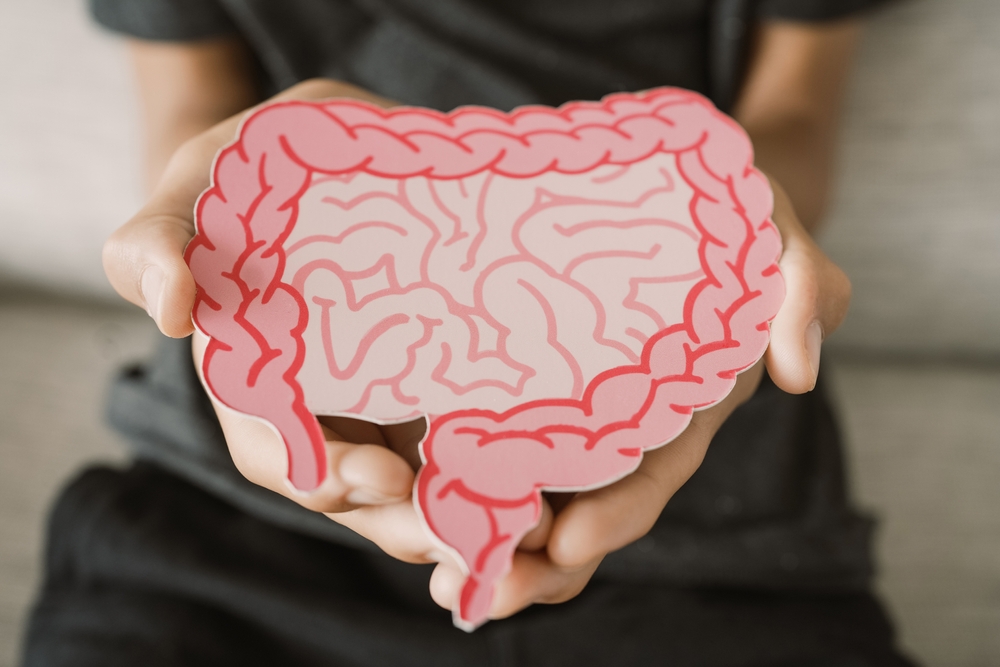
The gut-brain axis is a dynamic, bidirectional communication system linking the central nervous system and the gastrointestinal tract. It operates through neural pathways (such as the vagus nerve), hormonal messengers, and immune system signals. The microbes living in the gut play a central role in this network.
Professor Tim Spector, a leading authority on the microbiome, has demonstrated that gut bacteria actively influence metabolism, immune responses, and neurotransmitter production. His work, along with that of other notable researchers such as Dr Emeran Mayer and Dr Sarkis Mazmanian, has shown that microbial imbalances may be associated with mental health and behavioural patterns.
Prevalence of Gut Issues in ASD
There is longstanding clinical awareness that individuals with autism often experience gastrointestinal symptoms. Reports indicate that over 50% of individuals with ASD suffer from:
- Chronic constipation
- Diarrhoea
- Bloating
- Abdominal discomfort
The microbiome’s potential influence on neurological health is now being studied in the context of autism. These findings underscore the importance of examining the gut microbiome and ASD relationship more closely.
These ASD and gastrointestinal issues are more than incidental. They may correlate with heightened behavioural symptoms, such as irritability, agitation, and disturbed sleep. Some researchers argue that for non-verbal individuals, such physical discomfort may manifest as increased stereotyped behaviours or emotional dysregulation.
Dr Rosa Krajmalnik-Brown’s work at Arizona State University has identified specific microbial imbalances in autistic individuals and explored microbiota transfer therapy (MTT) as a potential way to address both gut issues and behavioural symptoms.
Exploring the Link Between Gut Health and ASD Symptoms
The relationship between gut health and autism is the subject of ongoing investigation. Research increasingly explores whether alterations in the gut microbiome might affect the central nervous system and influence behaviours associated with autism.
Professor John Cryan and Dr Ted Dinan have led the way in this area with research into psychobiotics—probiotics that can impact mood and cognition. Animal studies suggest that modifying gut flora can alter social behaviour and reduce anxiety-like symptoms. While these findings are intriguing, it remains to be seen whether they translate directly to humans.
These studies raise important questions about the possible role of autism symptoms and the gut. If the gut can influence emotional regulation, sleep, and cognitive function, then addressing gut health might offer complementary strategies to support individuals with ASD. However, further high-quality research is essential.
The Role of Diet in Gut Health and ASD
Diet is one of the most direct ways to influence the gut microbiome. Professor Tim Spector advocates for a high-fibre, plant-based diet to promote microbial diversity. In ASD, diet becomes particularly significant due to both selective eating and increased prevalence of gastrointestinal symptoms.
Two well-known dietary interventions include:
- Gluten-free and casein-free diets (GFCF): These are often explored in ASD due to potential links with inflammation and intestinal permeability. While evidence is mixed, some parents report improved behaviour and digestion.
- Prebiotics and probiotics for ASD: These can help restore microbial balance. Prebiotics nourish beneficial bacteria, while probiotics can replenish specific strains that may be underrepresented in autistic individuals.
Although the science remains inconclusive, these autism and dietary interventions are being explored as part of a holistic care plan, particularly when guided by a qualified nutritionist or healthcare professional.
Probiotics, Microbiota, and Their Role in ASD
Numerous studies have examined the impact of probiotics for ASD, and some have found potential benefits in reducing anxiety, improving sleep, and supporting digestion. Specific strains such as Lactobacillus and Bifidobacterium are often used.
Dr Sarkis Mazmanian’s research at Caltech has shown that Bacteroides fragilis can reverse some autism-like behaviours in mice, offering a foundation for further exploration. However, such findings are preliminary and based on animal studies.
While the field is still developing, interest in microbiota and neurological health continues to grow. Nonetheless, experts such as Professor Spector caution that probiotics should be tailored to the individual and not applied universally.
Practical Tips for Supporting Gut Health in ASD
For those seeking practical ways to support gut health as part of autism spectrum disorder management, the following steps may be beneficial:
- Encourage dietary diversity: Incorporate a variety of fruits, vegetables, legumes, and fermented foods.
- Minimise ultra-processed foods: These can disrupt gut flora and contribute to inflammation.
- Introduce probiotics carefully: Preferably under the supervision of a clinician familiar with autism.
- Monitor symptoms: Keep a diary of gastrointestinal symptoms and behavioural patterns.
- Consult a dietitian: Especially when considering restrictive diets or supplements.
These strategies reflect a growing interest in the relationship between gut health and autism, and align with emerging approaches to integrative care.
Conclusion
Scientific interest in the possible connection between the gut microbiome and ASD continues to expand, influenced by the work of leading researchers such as Professor Tim Spector, Dr John Cryan, and Dr Sarkis Mazmanian. While current evidence is preliminary and no definitive conclusions can be drawn, the gut-brain axis and ASD relationship offers a promising area for further study.
Interventions such as dietary changes, probiotics, and symptom monitoring may offer support for some individuals. A careful, evidence-based approach to autism and diet may contribute to improved quality of life.
For more insights and support in managing ASD, visit the ADHD and Autism Clinic today.